I still remember the afternoon when my mom dropped me off at a lego workshop near our home when I was in primary school. By the time she came back to pick me up, I didn’t want to leave, and I persuaded her to stay by my side while I finished the thing I was working on. I was taking my 100+th picture of my little lego robot to make a stop-motion animation. It’s one of those childhood memories I’ll never forget. Later on, just like any lego kid, I wanted to figure out how to make the robot move on its own. That’s when I discovered lego mindstorm and started my very first coding experience, using drag-and-drop code blocks to create programs that controlled the movement and behavior of lego robots. I also learned about bearings and servo motors. I was already getting hands-on experience with a graphical programming interface, which gave me a head start when my primary school elective class introduced us to Scratch.
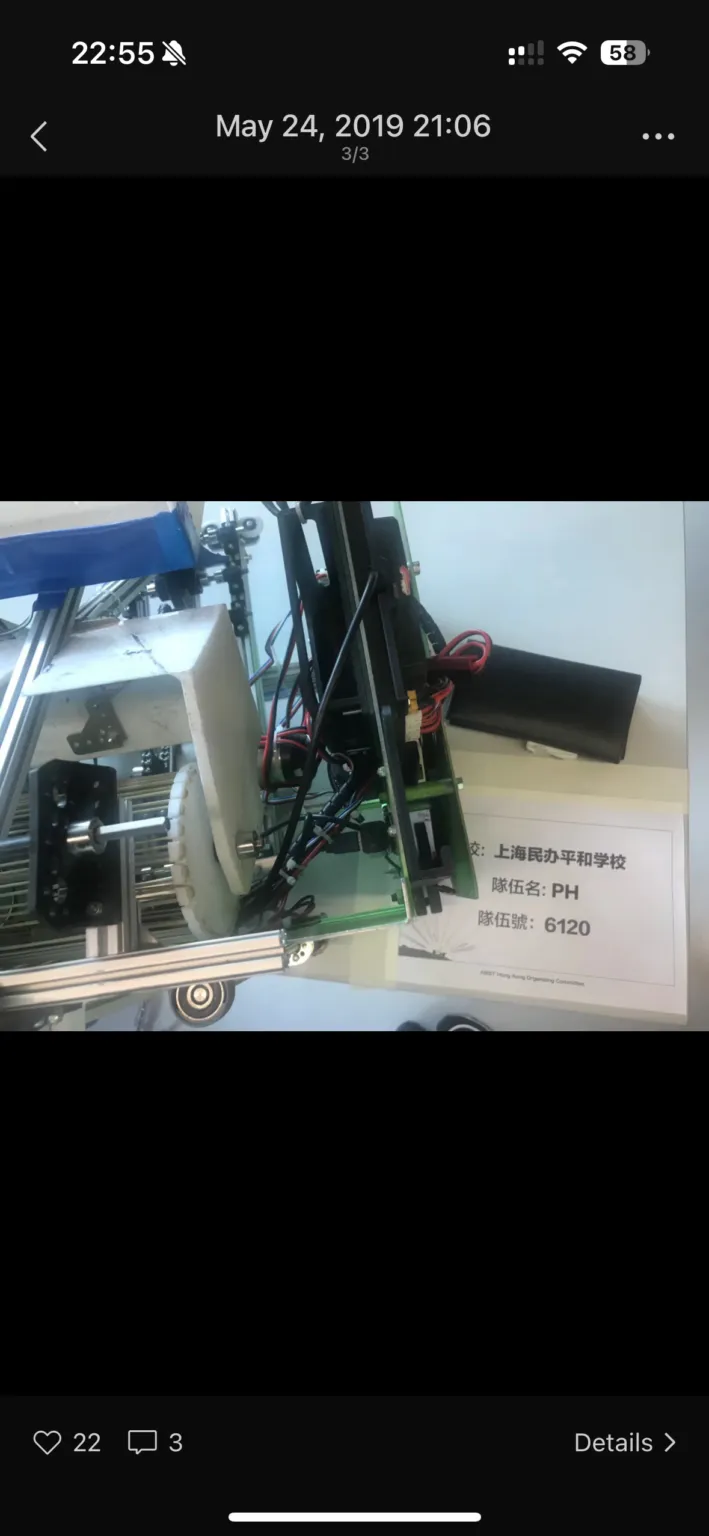
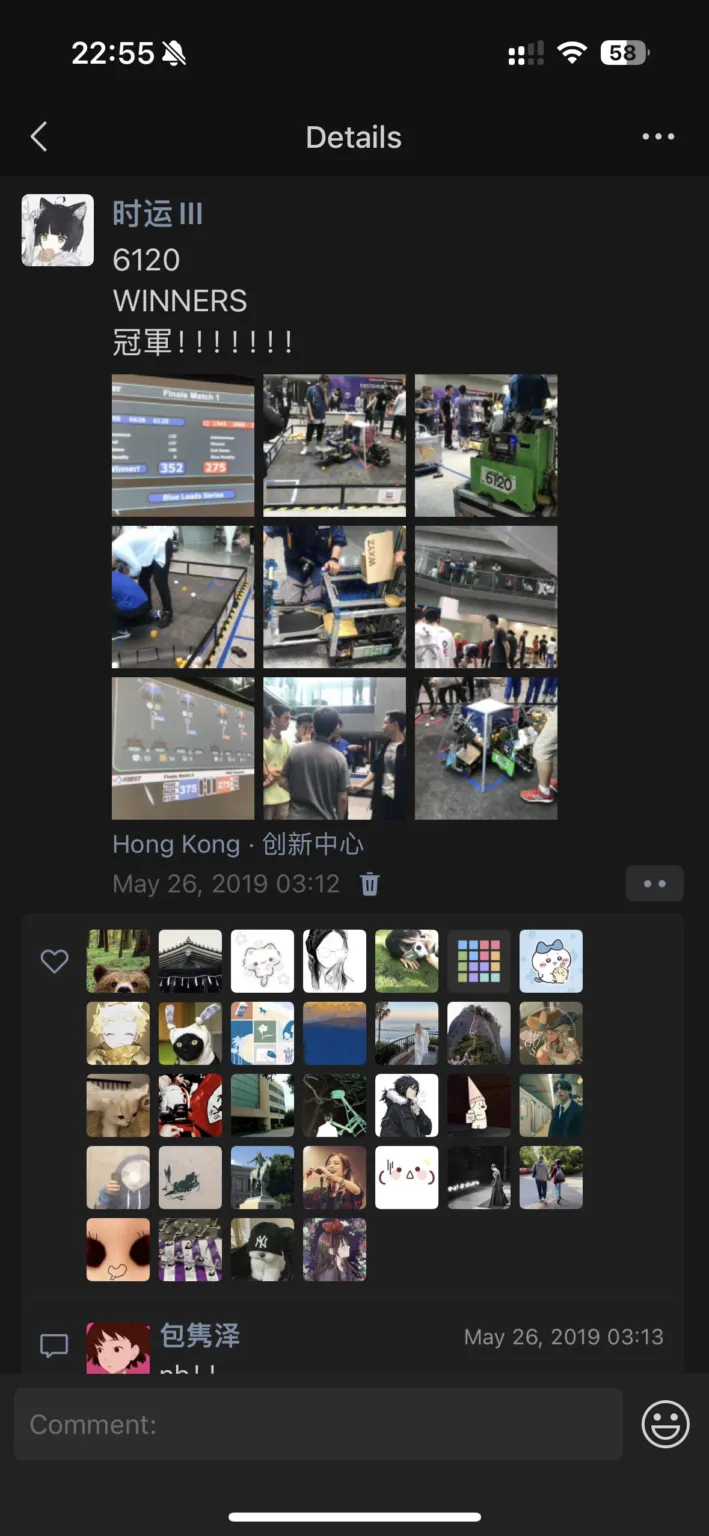
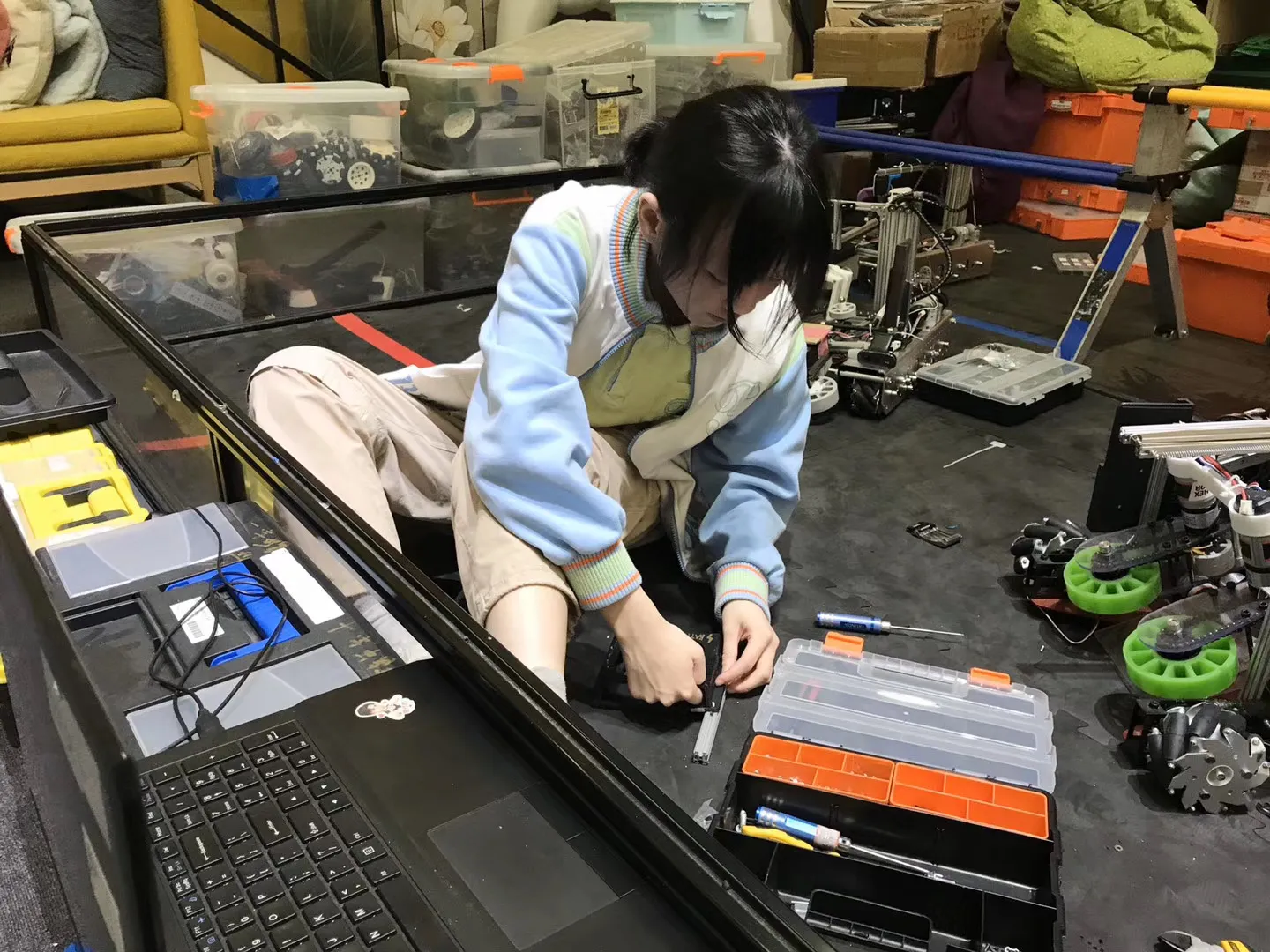
Then I became the leader of the robotics team of my middle school. My robot went far beyond moving and was able to accomplish complex tasks like throwing balls and identifying terrain on the race field and avoid obstacles automatically. We grinded for days and nights and won the first prize at a national contest in Hong Kong; Seeing her on the champion’s podium, wearing a beautiful outfit that I had designed and sprayed for her made me can't help my tears. Later, I became the core coder for my high school’s robotics team, but the excitement around robotics started to fade. We were focused on winning prizes, and we kept winning them, probably because we were a fairly prestigious high school in Shanghai with decent support. But under the pressure of winning, I became more of a debugger than a creator. I wrote better code, communicated more smoothly with engineers, and tried my best to meet their expectations, but from that point on, I never cried for any robots again.